🌿 GINKGO LEAF
- Lee Wellard
- May 13
- 6 min read

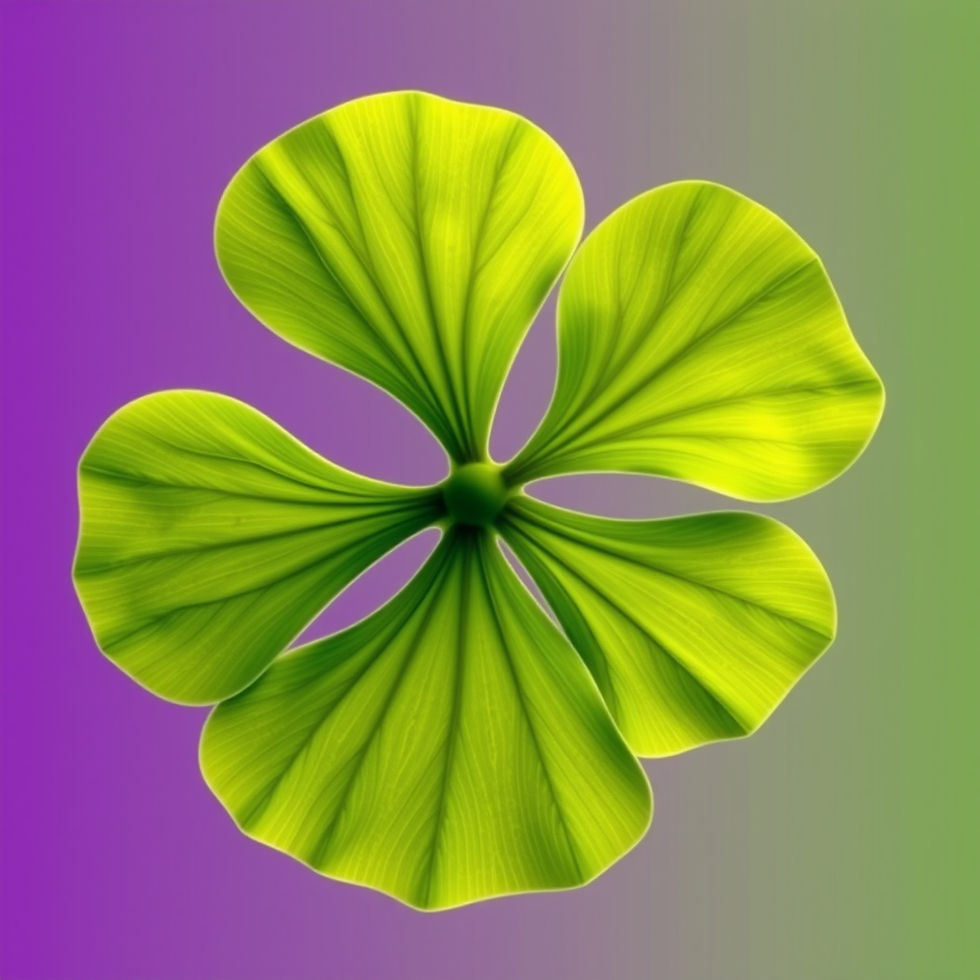
Ginkgo biloba
Expanded Botanical Monograph & Traditional Wellness Guide
Cognitive Support • Circulation • Ancient Botanical Resilience
📖 PAGE 1 — INTRODUCTION TO GINKGO
✨ One of the Oldest Trees on Earth
Ginkgo (Ginkgo biloba) is one of the most extraordinary plants in the natural world. Often referred to as:
“a living fossil,”
the ginkgo tree has existed for more than:
🌍 6000 years
making it one of the oldest surviving tree species known to science.
Ginkgo trees were already growing across ancient landscapes. Because of this incredible history, ginkgo has become a symbol of:
endurance
resilience
longevity
wisdom
vitality
Traditional herbal systems have valued ginkgo leaf for centuries, particularly for:
🧠 cognitive support
❤️ circulation
🌿 vitality
👁️ sensory wellness
🛡️ antioxidant protection
🌳 A Tree of Survival
Ginkgo trees are famous for their extraordinary durability. They are highly resistant to:
pollution
insects
disease
environmental stress
Some ginkgo trees even survived the atomic bombing of Hiroshima and continued growing afterward, contributing to the tree’s symbolic association with:
resilience and regeneration
🌿 Traditional & Modern Importance
Although ginkgo originated in ancient Asia, it is now cultivated worldwide both as:
an ornamental tree
a medicinal botanical
Modern herbalism continues to value ginkgo because it bridges:
ancient traditional use
modern scientific investigation
long-term historical safety
neurological & circulatory interest
📖 PAGE 2 — BOTANICAL PROFILE & PLANT CHARACTERISTICS
🌱 Botanical Information
Category | Information |
Botanical Name | Ginkgo biloba |
Family | Ginkgoaceae |
Common Name | Ginkgo |
Plant Part Used | Leaf |
Native Origin | China |
🍃 Distinctive Leaves
Ginkgo leaves are among the most recognizable leaves in the plant kingdom. They are:
fan-shaped
bright green
delicately veined
soft-textured
In autumn, the leaves transform into:
brilliant golden-yellow fans
before falling dramatically from the tree.
🌳 Tree Characteristics
Ginkgo trees can:
live for thousands of years
grow extremely large
tolerate urban pollution
survive difficult environmental conditions
Their longevity contributed to their historical association with:
mental clarity
vitality
endurance
🌍 Cultivation
Ginkgo trees are now grown throughout:
Asia
Europe
North America
The leaves used medicinally are typically harvested while green and carefully dried to preserve active constituents.
📖 PAGE 3 — HISTORY & TRADITIONAL USE
🌏 Traditional Chinese Use
Ginkgo has been used in Traditional Chinese Medicine (TCM) for centuries. Historically, different parts of the plant were used for different purposes.
The:
seeds
leaves
each developed distinct traditional applications.
Modern herbalism primarily focuses on:
the leaf
particularly standardized extracts prepared from the leaves.
🌿 Traditional Associations
Historically, ginkgo became associated with:
longevity
brain vitality
healthy aging
circulation
mental clarity
Ancient practitioners often viewed long-lived trees as symbols of:
wisdom
life force
stability
and ginkgo became deeply connected to these ideas.
🧠 Modern Popularity
In modern herbalism, ginkgo is one of the most recognized herbs associated with:
memory support
cognitive wellness
circulatory support
Its popularity grew dramatically during the late 20th century as scientific researchers began investigating the plant’s unique compounds.
📖 PAGE 4 — ACTIVE COMPOUNDS & PHYTOCHEMISTRY
🧬 Key Constituents
Ginkgo leaves contain several unique plant compounds including:
flavonoid glycosides
terpene lactones
ginkgolides
bilobalide
These compounds continue attracting scientific attention because of their potential influence on:
circulation
antioxidant activity
neurological function
🌿 Flavonoids
Ginkgo’s flavonoids are associated with:
antioxidant properties
cellular protection interest
oxidative balance
These compounds may help protect tissues from oxidative stress caused by:
aging
environmental burden
metabolic activity
🧠 Terpene Lactones
Ginkgolides and bilobalide are unique compounds found within ginkgo leaf.
Researchers continue studying these compounds for their relationship to:
circulation
neurological signaling
platelet activity
cellular function
📊 Standardized Extracts
Many modern ginkgo products are standardized to specific levels of:
flavonoids
terpene lactones
This standardization is common in scientific research.
📖 PAGE 5 — COGNITIVE SUPPORT & MEMORY INTEREST
🧠 The Herb Most Associated With Brain Function
Ginkgo is perhaps best known for its association with:
memory
concentration
cognitive performance
healthy aging
Traditional herbalists and modern researchers alike have shown strong interest in ginkgo for:
supporting mental clarity
🌿 Traditional Cognitive Associations
Historically, long-lived plants were often symbolically associated with:
wisdom
endurance
longevity
Ginkgo’s immense lifespan contributed to its reputation as a plant connected with:
mental resilience
vitality
clarity
🔬 Modern Research Interest
Modern scientific studies continue investigating ginkgo for:
memory support
cognitive aging
mental performance
circulation to the brain
Some clinical trials have explored ginkgo extracts in older adults experiencing age-related cognitive changes.
⚠️ Research Continues
Research findings remain mixed and continue evolving. Scientists continue investigating:
mechanisms
long-term outcomes
dosage differences
extract standardization
📖 PAGE 6 — CIRCULATION & VASCULAR SUPPORT
❤️ Traditional Circulatory Herb
One of ginkgo’s most important modern uses involves:
circulation support
Researchers have shown particular interest in ginkgo’s relationship to:
blood flow
vascular function
peripheral circulation
🌿 Historical Perspectives
Traditional herbal systems often linked circulation with:
vitality
warmth
mental clarity
tissue nourishment
Healthy circulation was viewed as essential for delivering:
oxygen
nutrients
life force
throughout the body.
🔬 Scientific Interest
Researchers continue exploring ginkgo’s effects on:
microcirculation
endothelial function
blood vessel tone
oxidative stress
🦵 Peripheral Circulation Interest
Some studies have explored ginkgo in relation to:
cold extremities
circulation discomfort
walking endurance
Research remains ongoing.
📖 PAGE 7 — ANTIOXIDANT & CELLULAR PROTECTION
🛡️ Oxidative Stress Interest
Ginkgo’s flavonoid compounds are associated with:
antioxidant properties
free radical scavenging
oxidative balance
Researchers continue studying oxidative stress because it is associated with:
aging
environmental stress
metabolic wear
🌿 Why Antioxidants Matter
Free radicals are unstable molecules produced naturally during:
metabolism
environmental exposure
stress
Excessive oxidative stress may contribute to:
cellular damage
tissue wear
aging processes
🔬 Research Areas
Scientists continue investigating ginkgo’s antioxidant compounds for their relationship to:
brain tissue
vascular tissue
healthy aging
cellular resilience
📖 PAGE 8 — FOCUS, MENTAL PERFORMANCE & ENERGY
⚡ Mental Clarity Support
Many people use ginkgo because of its reputation for:
focus
concentration
alertness
mental stamina
Unlike stimulant-based products, ginkgo is not traditionally regarded as a harsh energizer.
Instead, its effects are more commonly associated with:
circulation & cognitive support
🌿 Modern Wellness Interest
Modern wellness practitioners sometimes include ginkgo in formulas intended for:
students
older adults
mentally demanding work
focus support
🧠 Brain & Blood Flow Theory
One reason researchers became interested in ginkgo is the theory that healthy circulation may support:
oxygen delivery
nutrient transport
neurological function
This area continues to be actively studied.
📖 PAGE 9 — EYE & SENSORY SUPPORT
👁️ Traditional Sensory Associations
Traditional herbalists historically connected circulation with:
vision
hearing
sensory clarity
Because ginkgo became associated with circulation support, researchers also became interested in its relationship to:
eye health
sensory function
auditory wellness
🔬 Research Areas
Researchers continue studying ginkgo for:
retinal circulation
sensory aging
vascular support to delicate tissues
Research remains preliminary in many of these areas.
🌿 Healthy Aging Interest
Much of ginkgo’s popularity comes from its association with:
healthy aging support
particularly regarding:
circulation
cognitive vitality
sensory wellness
📖 PAGE 10 — EXTRACTION METHODS & PREPARATIONS
🌿 Common Preparations
Preparation | Description |
Tea | Traditional leaf infusion |
Glycerin Extract | Alcohol-free liquid extract |
Capsules | Standardized extracts |
Powder | Dried powdered leaf |
Tablets | Concentrated extract form |
🍯 Glycerin Extracts
Vegetable glycerin extracts are valued because they:
are alcohol-free
taste milder
are convenient
preserve water-soluble compounds
They are commonly preferred by:
families
sensitive individuals
people avoiding alcohol
🌿 Standardized Extracts
Modern scientific studies frequently use standardized extracts because they provide:
consistent flavonoid levels
consistent terpene content
reproducible dosing
📖 PAGE 11 — SAFETY & CONTRAINDICATIONS
⚠️ General Safety
Ginkgo leaf is generally considered safe when used appropriately.
However, because ginkgo may influence circulation and platelet activity, caution is important in some situations.
🚫 Use Caution If:
taking anticoagulant medications
preparing for surgery
pregnancy requires supervision
seizure disorders are present
🌿 Possible Side Effects
Some individuals may experience:
headache
digestive upset
dizziness
allergic reactions
⚠️ Seed Warning
Raw ginkgo seeds should not be consumed improperly, as they contain compounds capable of causing toxicity.
Modern herbal use focuses primarily on:
prepared leaf extracts
📖 PAGE 12 — SCIENTIFIC RESEARCH OVERVIEW
🔬 Major Areas of Scientific Interest
Researchers continue studying ginkgo for:
cognitive aging
circulation
antioxidant activity
neurological wellness
vascular function
📊 Current Research Overview
Area | Research Interest |
Cognitive Support | Strong |
Circulation | Strong |
Antioxidant Activity | Moderate–Strong |
Healthy Aging | Strong |
Eye & Sensory Support | Emerging |
🌿 Why Scientists Continue Studying Ginkgo
Ginkgo combines:
ancient traditional use
unique phytochemistry
extraordinary longevity
neurological interest
making it one of the world’s most studied medicinal trees.
📖 PAGE 13 — SCIENTIFIC REFERENCES & FINAL SUMMARY
📚 References
DeKosky ST et al. Ginkgo biloba for prevention of dementia. JAMA.
Mahadevan S, Park Y. Multifaceted therapeutic benefits of Ginkgo biloba. Journal of Food Science.
Smith JV, Luo Y. Studies on molecular mechanisms of Ginkgo biloba. Pharmacological Research.
Hoffmann D. Medical Herbalism.
Mills S, Bone K. Principles and Practice of Phytotherapy.
European Medicines Agency monographs on Ginkgo biloba.
Research on ginkgo flavonoids & terpene lactones.
Journal of Ethnopharmacology publications regarding ginkgo use.
🌟 Final Reflections
Ginkgo represents one of the most remarkable intersections of:
ancient botanical history
traditional herbal wisdom
modern scientific investigation
Its extraordinary longevity and distinctive chemistry continue to make it one of herbalism’s most respected plants.
🌿 Final Thought
For many herbalists, ginkgo symbolizes:
resilience
clarity
endurance
vitality through time
Like the ancient tree itself, ginkgo continues standing at the crossroads between:🌳 ancient nature and modern science


Comments